

Trenchless Sewer Repair in Buckeye, AZ
Buckeye homeowners can get a sewer line repaired or replaced without a trench across the whole yard. Phoenix Trenchless repairs and replaces sewer lines using trenchless methods, which work through small access points instead of an open trench along the full length of the pipe. We are family-owned and operated, we do not use subcontractors, every job starts with a free camera inspection, and our team is available 24/7.
Buckeye at a Glance for Sewer Repair
| Question | Short Answer |
|---|---|
| Where do I start? | A free sewer camera inspection, so you see what is in the pipe before any recommendation |
| Which methods do you offer? | CIPP lining, UV-cured repair, epoxy coating and lining, pull-in-place repair, pipe bursting, and no-dig under-slab repair |
| Do you dig? | Trenchless avoids opening the full line. Some methods need small excavations at access points |
| Who does the work? | Our own crew, with no subcontractors |
| Permits? | We handle required permits and inspections. Buckeye permits go through the City of Buckeye's permit center |
| When can you come? | We are available 24/7. Call (623) 244-1331 |


Why Buckeye Sewer Lines Are Different From the Rest of the Valley
-
Buckeye grew faster than almost any Valley city, so its pipe is a mix of very old and very new. The City of Buckeye was founded in 1888 as a 440-acre town and was incorporated in 1929. It is now Arizona's largest city by land area, at more than 600 square miles. The City's own figures show the population growing from 6,537 in 2000 to 50,876 in 2010. City materials from 2024 put the population at about 114,000.
That growth means a large share of Buckeye's homes are far newer than the mid-century homes in older Valley cities. Newer homes are not immune to sewer problems. They have different ones. Where older lines tend to fail from age and material, newer lines more often show joint offsets, sagging sections, or isolated cracks, which in many cases can be repaired with a targeted trenchless fix.
-
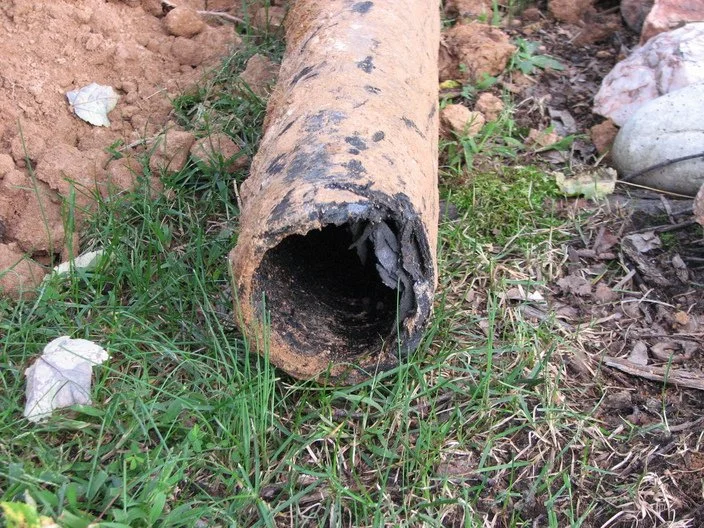
The oldest sewer lines in Buckeye are near the original townsite. Homes and businesses in and around historic downtown Buckeye are where older pipe materials are most likely to turn up. Our inspections across the Valley regularly find Orangeburg, cast iron, clay, galvanized, and concrete lines, and each one fails differently, which is why a camera inspection comes before any recommendation. To see what replacing one of those older materials looks like, read our Orangeburg replacement case study.
What Is Under a Buckeye Yard
Don’t just listen to us
Hear from our clients
Before
After
How Buckeye's Sewer System Affects Your Repair
The Trenchless Methods We Use in Buckeye
Methods at a Glance
We offer several methods because the right one depends on what the camera shows. Here is how they compare.
| Method | What It Does | Typically Considered When |
|---|---|---|
| CIPP pipe lining | Cures a resin-saturated liner inside the existing pipe | Cracks, leaking joints, or root entry in pipe with a relatively sound structure |
| UV-cured pipe repair | Uses ultraviolet light to harden the liner | Lining jobs where cure control or speed matters |
| Epoxy coating and lining | Applies an epoxy surface to the pipe interior | Surface corrosion in smaller lines |
| Pull-in-place pipe repair | Pulls a liner into position | Bends and complex pipe layouts |
| Pipe bursting | Breaks the old pipe apart and pulls new pipe into the same path | Structurally unsound pipe that needs a full replacement |
| No-dig under-slab repair | Uses a Dancutter robotic system to reach pipe under a slab | Sewer lines running beneath concrete |
When Lining Fits and When Replacement Is Needed
Lining is only for pipes that have a relatively sound structure and damage such as cracks. A liner needs the old pipe to hold its shape. When the existing pipe is structurally unsound, collapsed, or badly deformed, it needs a full replacement. Our guides to pipe relining vs replacement and sewer pipe relining for homeowners explain how that decision is made.
Signs Your Buckeye Sewer Line Needs Attention
Slow Drains in More Than One Fixture: Slow drains in more than one fixture are worth taking seriously. One slow sink is usually a local clog. Several slow fixtures, or a toilet that gurgles when another fixture runs, can point to a main-line problem.
Repeated Backups: Repeated backups usually have a cause in the pipe. A line that has been cleared more than once and keeps backing up may have a crack, roots, buildup, or a damaged section. A camera inspection finds the cause.
Odors, Damp Spots, and Green Patches: Sewer odors, damp spots, or unusually green patches in the yard can be clues. They do not prove a leak, but they are good reasons to look inside the line.
Our Inspection-First Process in Buckeye
-
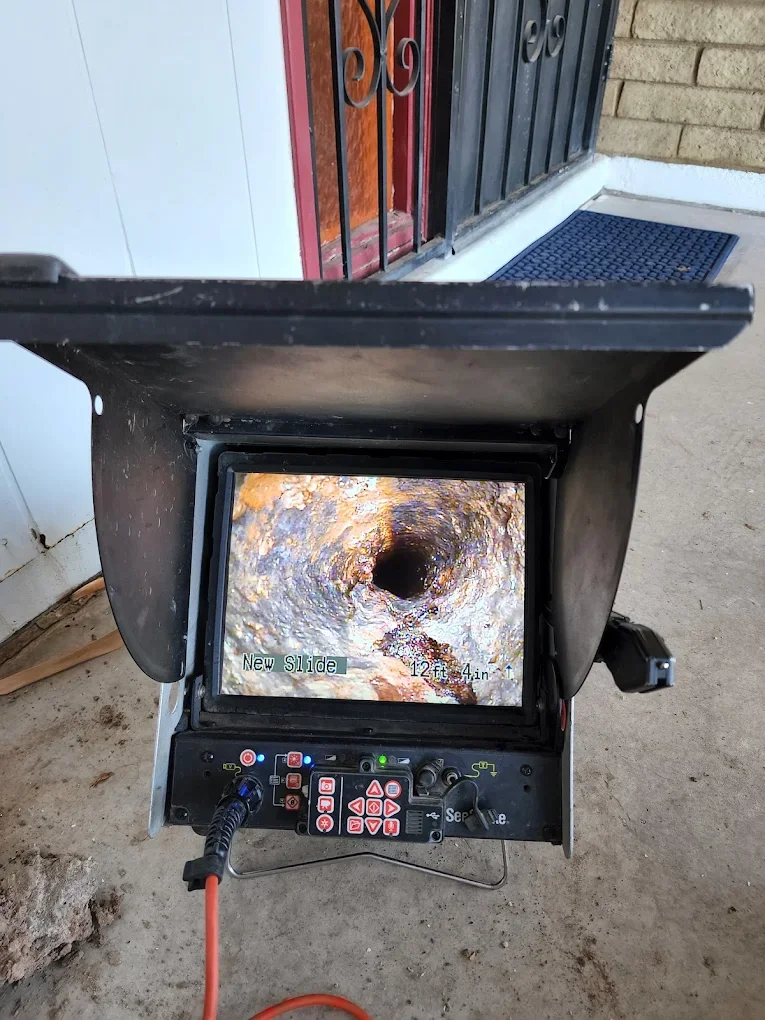
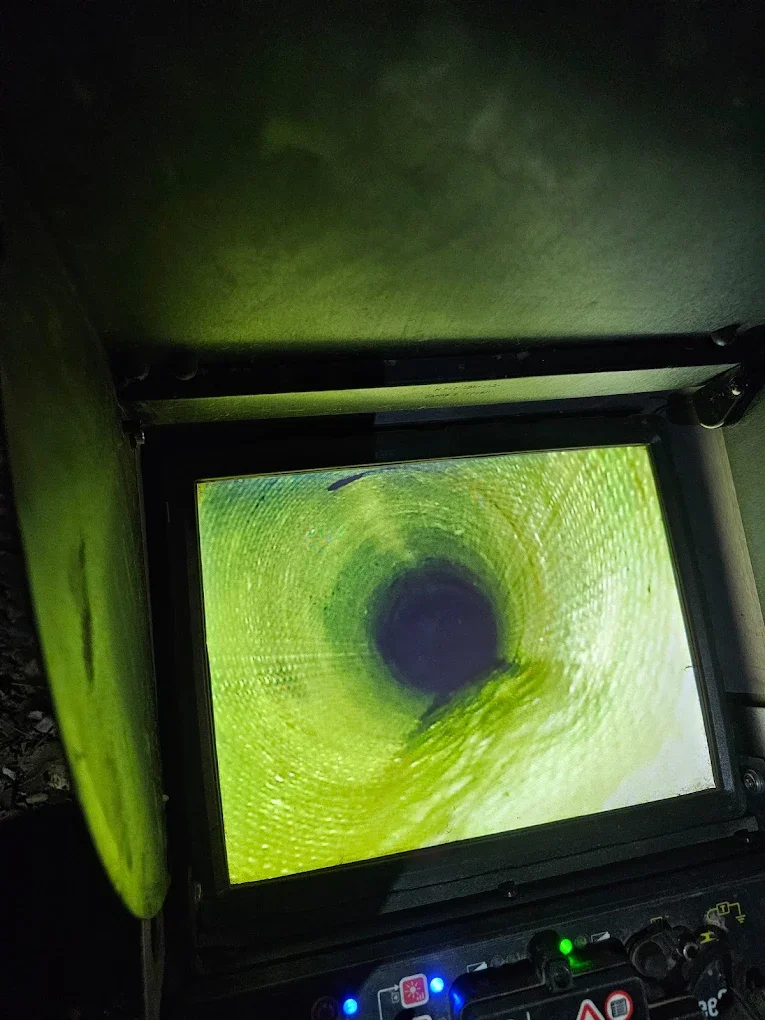
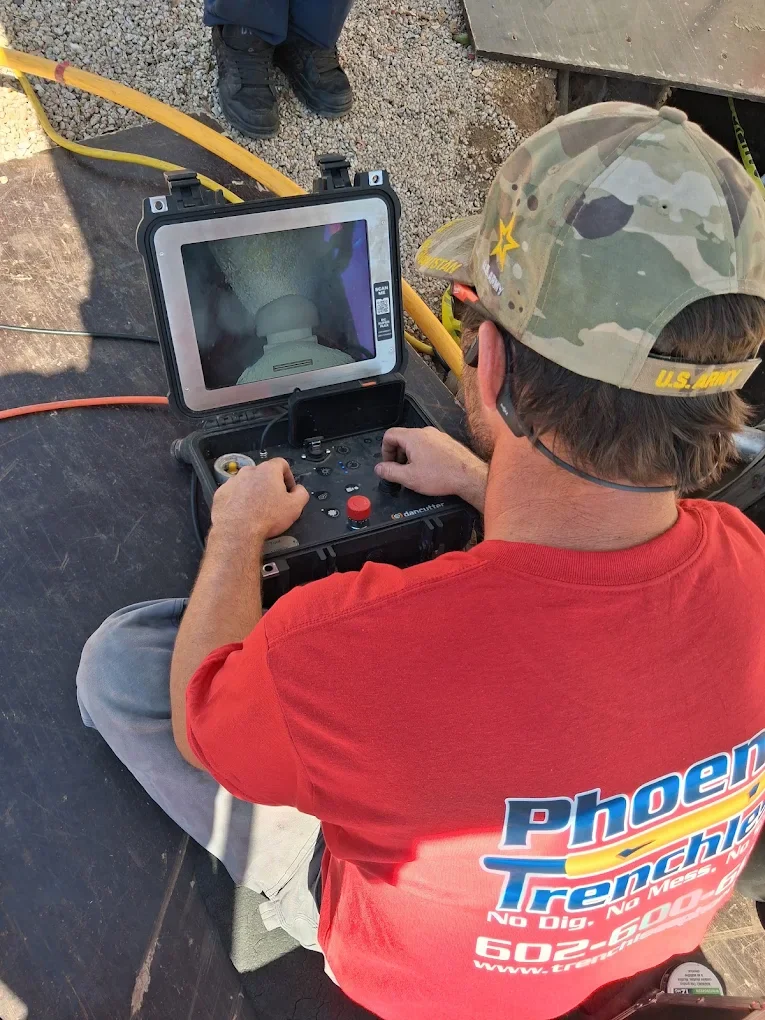
We run a camera through your line so you can see cracks, roots, offsets, corrosion, collapse, or heavy buildup for yourself. A camera inspection is free with every repair, and standalone inspections are available. See our sewer camera inspection page.
-
Many sewer problems in older lines come from mineral scale or buildup, not pipe failure. When buildup is the main problem, descaling and hydrojetting can restore flow and change the diagnosis. If cleaning solves it, we stop there.
-
After inspection and cleaning, we tell you whether no repair is needed, lining is appropriate, or replacement is unavoidable, and why. You see the footage and the scope of work. If you have already been given a quote, we offer free second opinions. See when to get a second opinion on a sewer repair quote.
-
No subcontractors, no handoffs. We explain which access points the work needs and what happens to those areas afterward.
-
We confirm the repair from the inside with a final camera inspection before the job is finished.
No Dig. No Mess. No Stress.
Proudly serving homeowners and businesses Valleywide
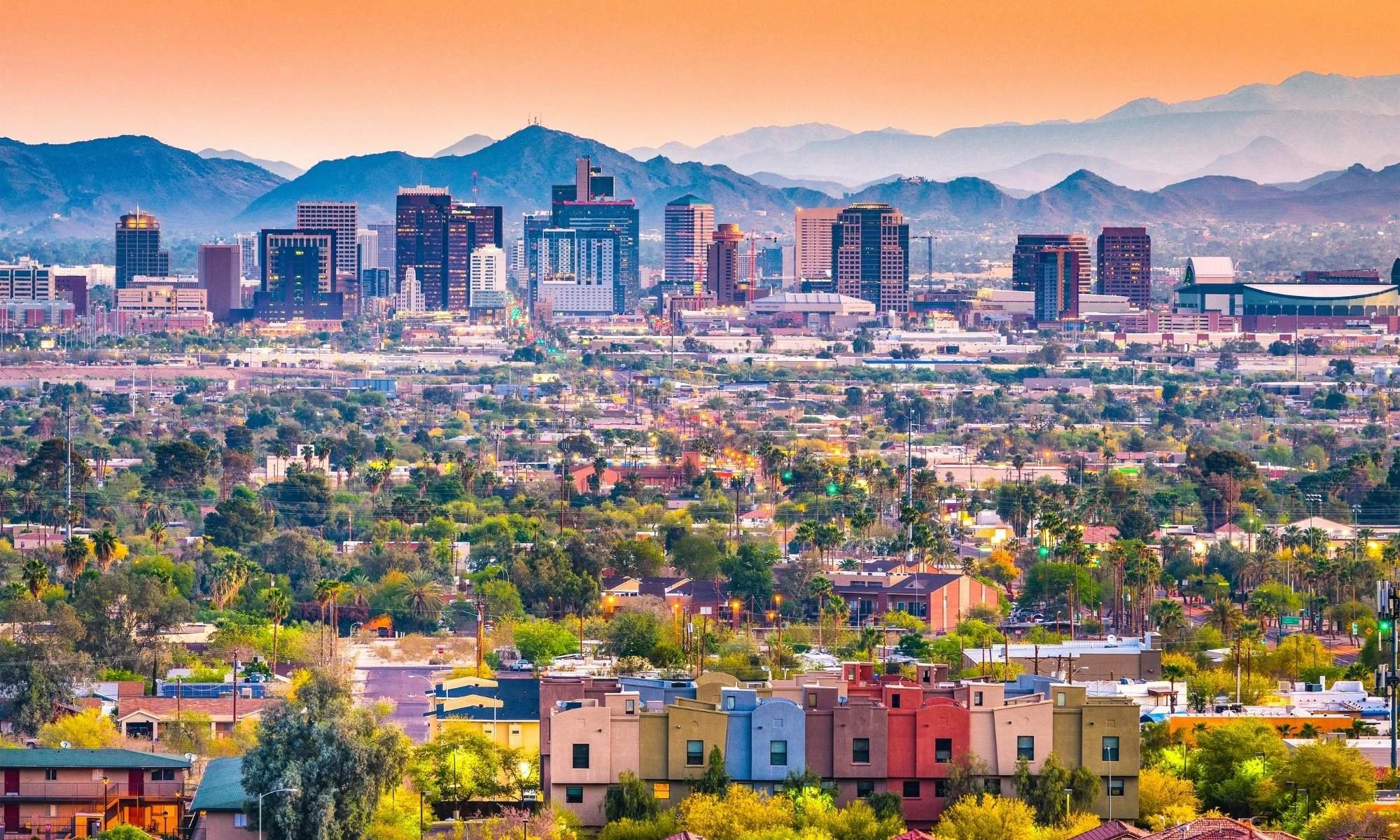
Phoenix, Tempe, Mesa, Scottsdale, Glendale, Chandler, Gilbert, Peoria, Avondale, Surprise, Sun City, and more.
Frequently Asked Questions | Trenchless Sewer Repair in Buckeye
-
Yes, Phoenix Trenchless serves Buckeye, and our team is available 24/7. Call to confirm availability for your address.
-
Many Buckeye homes are connected to the City of Buckeye's sewer system, and the City bills sewer on its monthly utility bill. Some properties get water from EPCOR Water Arizona while using City sewer. Check your utility bill or contact the City to confirm how your property is served.
-
Sewer work generally goes through the City's permitting process, and Phoenix Trenchless handles required permits and inspections as part of the job. To confirm requirements for your address, you can contact the City of Buckeye's Development Services permit center.
-
Arizona law requires contacting Arizona 811 at least two full working days before digging so underground utilities can be marked. That applies to access points for trenchless work as well.
-
Caliche is a hardened soil layer common in southern Arizona, and it can make excavation harder. Whether it is present at your address depends on the site. Trenchless methods avoid digging the full length of the line, which can matter when hard ground is a concern.
-
No. Newer homes tend to have different issues than older ones, such as joint offsets, sagging, or isolated cracks. A camera inspection shows what is actually going on.
-
Yes. We use a Dancutter robotic system to reach pipe under a slab without demolishing the floor.
-
A camera inspection shows the condition of the pipe. Lining is for pipes that have a relatively sound structure and damage such as cracks. A pipe that is structurally unsound, collapsed, or badly deformed needs a full replacement.