

Trenchless Sewer Repair in Tempe, AZ
Phoenix Trenchless serves all of Tempe with the full range of trenchless sewer repair methods. We start with a free camera inspection and give you honest information about what we find.
Tempe is unlike any other city in the Phoenix Valley. It's landlocked, surrounded on all sides by Phoenix, Scottsdale, Mesa, Chandler, and Guadalupe, which means it cannot expand outward. Every house in Tempe that will ever be built is already built, and most of those houses have been there for a long time. The result is a city with one of the oldest housing in the Valley, an extraordinary density of aging pipes, and a sewer infrastructure that ranges from legitimately historic to relatively modern depending on which block you're on.
Maple-Ash, Tempe's oldest surviving neighborhood, dates to the early 1900s. Homes near the Arizona State University campus include mid-century ranches from the 1950s and 1960s that were already old by the time today's college students were born. Further south, the Lakes and other established communities from the 1970s and 1980s have now been in the ground for 40 to 50 years. Even south Tempe, which developed last, is primarily 1980s and 1990s construction, now 35 to 45 years old.



Tempe's Pipe Problem by Neighborhood

The Rental Property Angle
A significant portion of Tempe's housing is occupied by renters, particularly near ASU, along the light rail corridor, and throughout the central neighborhoods that attract students, young professionals, and university staff. If you own rental property in Tempe, sewer issues are a specific operational risk you probably think about:
Tenants call when things stop working. A backed-up sewer line at a rental property isn't a maintenance issue you can defer; it requires immediate response.
Deferred maintenance becomes an emergency repair. A slow drain that a tenant mentions once and then stops reporting can become a full backup six months later at a significantly higher cost.
Camera documentation protects you. A documented camera inspection before and after a tenancy provides a clear record of the pipe's condition, which matters if there's ever a dispute about damage.
Phoenix Trenchless works with Tempe landlords and property managers, as well as individual homeowners. Our free camera inspection with any trenchless repair makes the diagnostic portion of the process a non-cost item when work needs to be done. And our turnaround, typically one to two days from inspection to completion of the repair, minimizes disruption to tenants and the property's revenue impact.
Don’t just listen to us
Hear from our clients
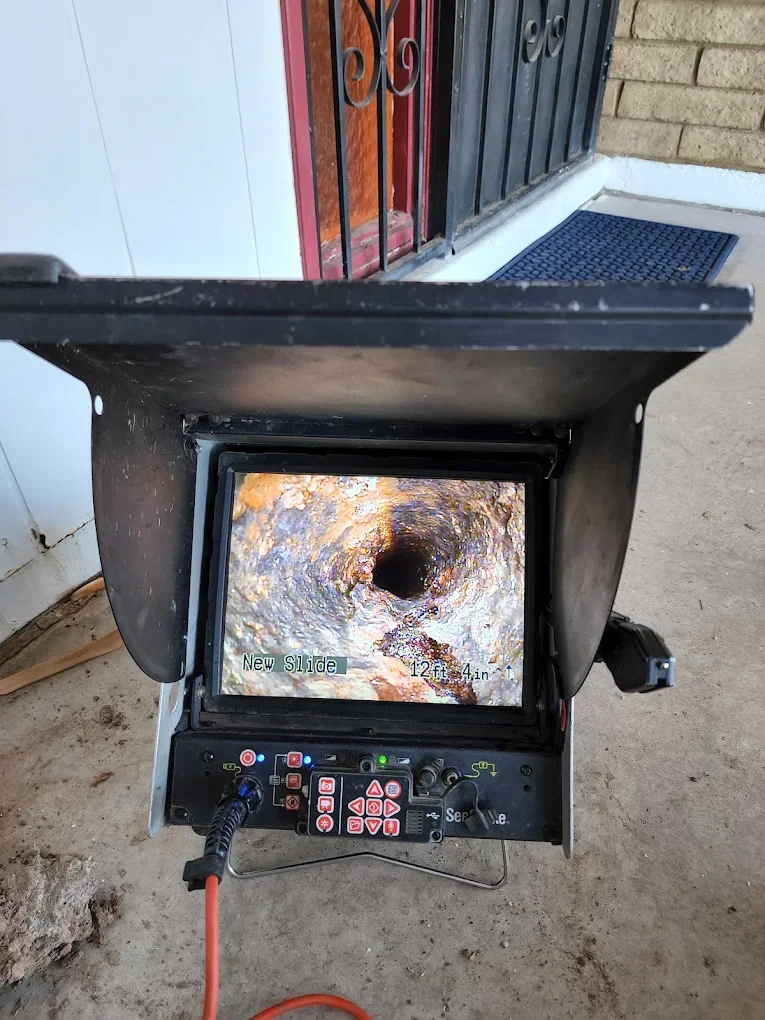
Before
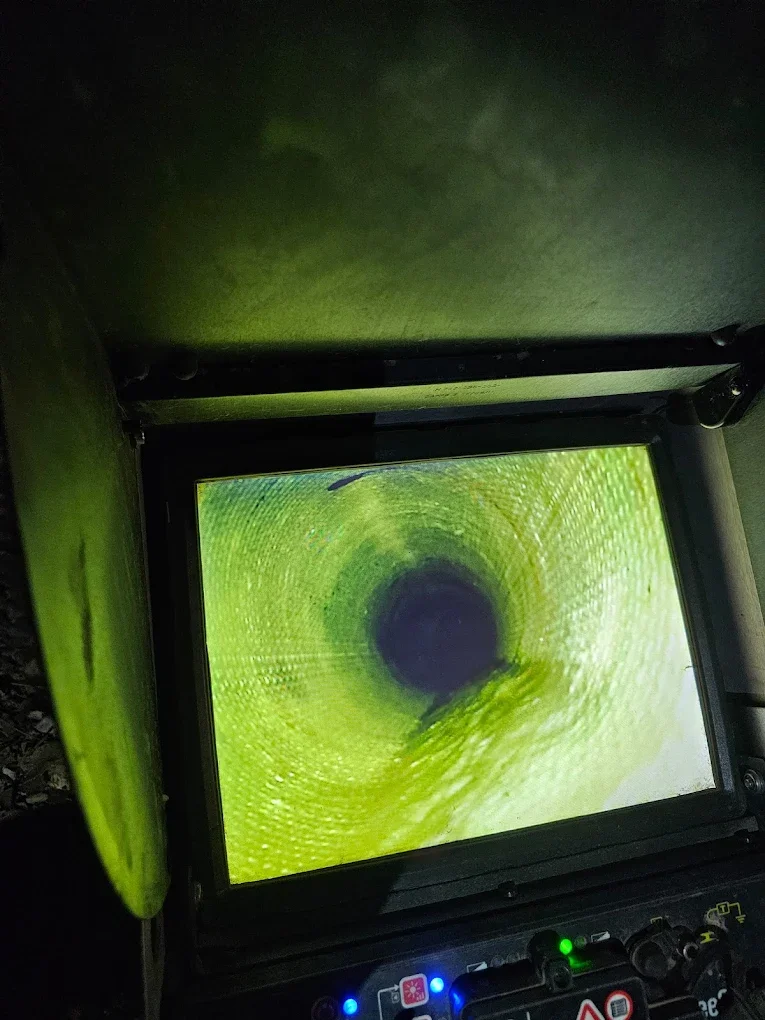
After
Our Methods in Tempe
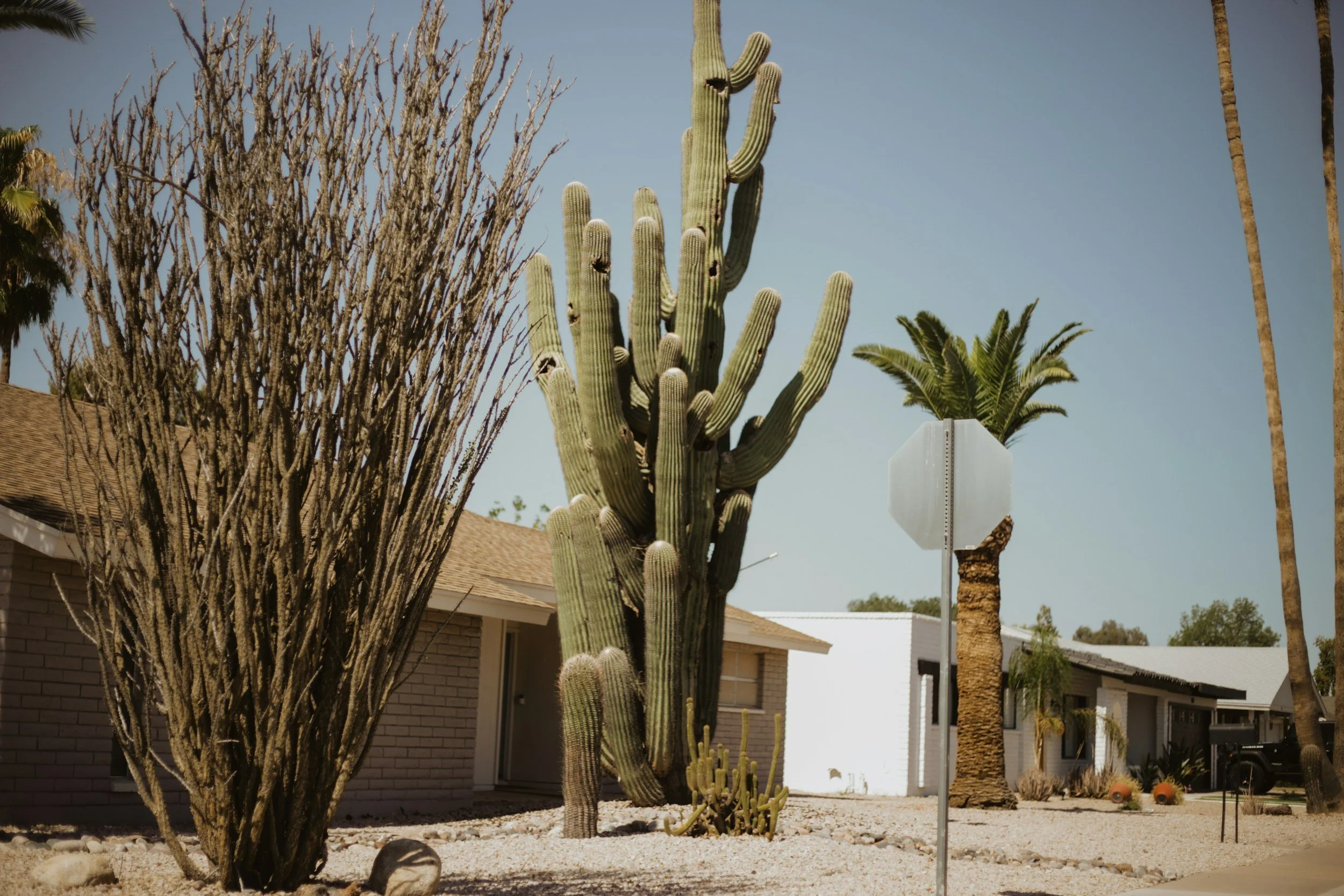
Tempe's Unique Sewer Challenges
Flood irrigation and root pressure. Tempe's historic flood irrigation system, a distribution of channels that originally brought agricultural water to the area, still operates in some older neighborhoods. The consistent soil moisture created by flood irrigation is exceptional for trees and landscaping. It's equally effective at preventing root growth into sewer line joints and cracks. In Maple-Ash and other older Tempe neighborhoods, root intrusion is among the most aggressive we see anywhere in the Valley.
Urban density and pipe proximity. Tempe's lots are smaller than in most Phoenix Valley suburbs, which means homes are closer together and sewer laterals are shorter, but every lateral is working harder per square foot of usage. In dense blocks near ASU, multiple sewer laterals run in close proximity, and any shared mainline problem quickly affects multiple properties.
The canal system. Several of Tempe's neighborhoods border the Salt River Project canal network, which feeds central Arizona's water infrastructure. Canal-adjacent soils are consistently moist and support substantial root networks from the trees that line the canals. Sewer lines that run near or under canal paths in Tempe are at a higher-than-average risk of root infiltration.
No Dig. No Mess. No Stress.
Proudly serving homeowners and businesses Valleywide
Phoenix, Tempe, Mesa, Scottsdale, Glendale, Chandler, Gilbert, Peoria, Avondale, Surprise, Sun City, and more.

Why Traditional Excavation Is Especially Disruptive in Tempe
Tempe is the most densely developed city in this deliverable. Because it can't expand its borders, every available lot has been developed. That density creates specific problems for traditional open-trench excavation that don't exist in the more spacious West Valley cities:
-
Central Tempe and the ASU-adjacent neighborhoods have some of the smallest residential lots in the Valley. A full-length excavation trench on a small Maple-Ash lot can occupy most of the usable outdoor space. Trenchless methods access the pipe through two small points. The rest of the lot, including any parking, landscaping, or access to the home, stays intact.
-
Open-trench excavation at a rental property creates liability, access, and habitability concerns that a landlord has to manage actively. Trenchless repair is complete in one to two days with no extended site work, no fencing or safety barriers around a trench, and no ongoing restoration project that extends beyond the repair window.
-
In Tempe's densely packed older neighborhoods, utility lines, tree roots, and other infrastructure are often in close proximity to sewer laterals. Traditional excavation in these environments requires more careful utility marking and coordination. Trenchless methods work inside the existing pipe path and avoid most of that proximity risk.
-
Maple-Ash is a historic neighborhood with design guidelines and potential preservation considerations. Surface-disturbing excavation near historic structures requires additional coordination. Trenchless repair leaves the surface intact.
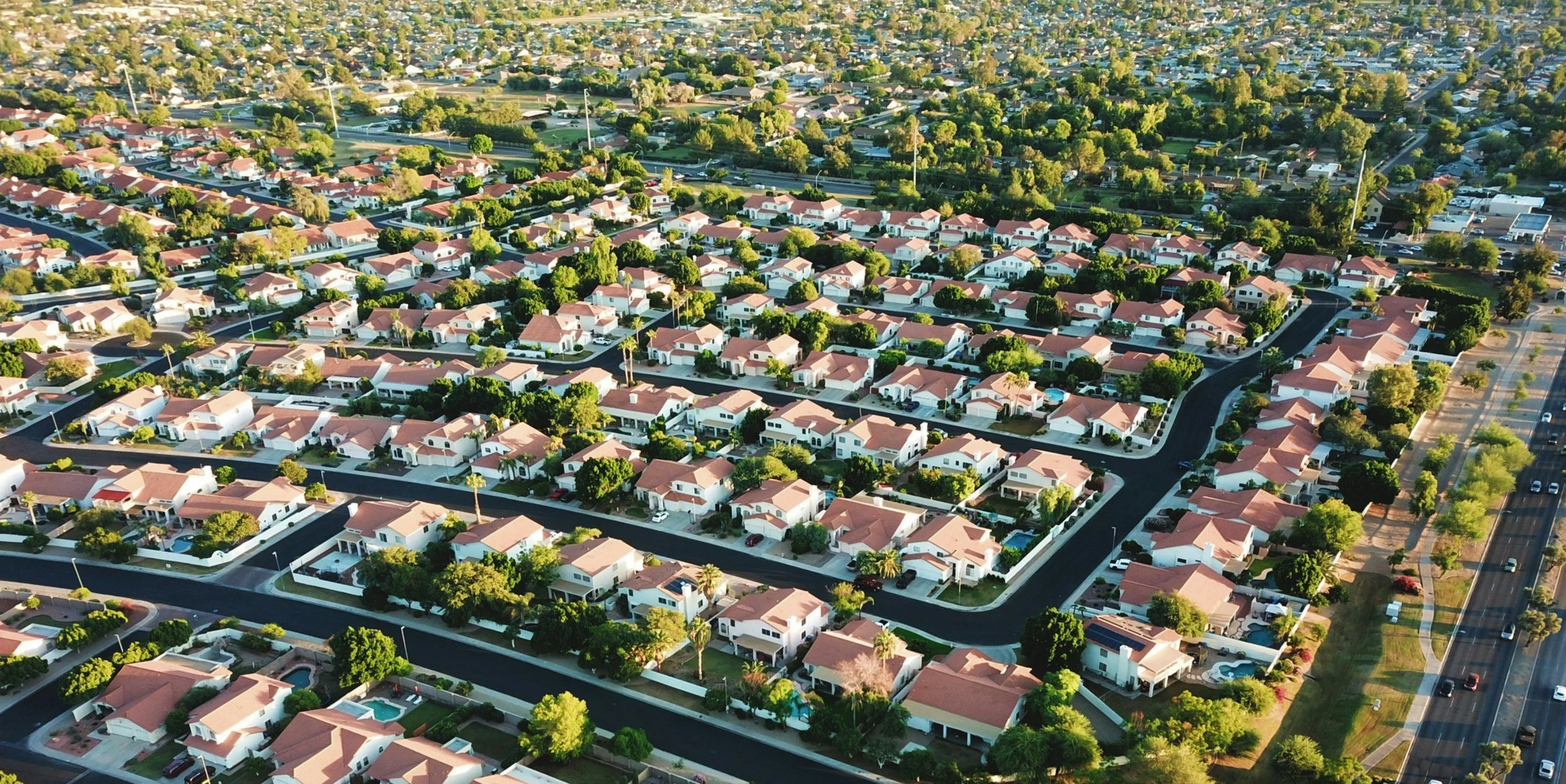
Tempe's Sewer Risk Is Higher Than Most Residents Realize
Tempe homeowners often underestimate their sewer line risk because the city looks and feels current, with Mill Avenue, ASU, Tempe Town Lake, and the light rail. But the pipes underneath much of the city predate all of that by decades.
A simple rule of thumb: if your Tempe home was built before 1980, your main sewer lateral has been in the ground for more than 45 years. If it was built before 1960, we're talking 65+ years. If it's in Maple-Ash, it may be pushing a century.
These pipes haven't been maintained. They haven't been inspected. In many cases, the homeowner who owns them right now has no idea what material they're made of, what condition they're in, or what a camera would reveal. A one-hour free camera inspection from Phoenix Trenchless answers all of those questions with high-definition video documentation you can keep for your records, share with a real estate agent, or use for insurance purposes.
We serve all of Tempe's zip codes:
85281: ASU campus corridor, Maple-Ash, historic central Tempe
85282: Central Tempe, The Lakes vicinity
85283: Southeast Tempe, established suburbs
85284: South Tempe, newer construction
We also serve neighboring communities, including Mesa, Chandler, Scottsdale, and the corridor along the Loop 202 and US-60.
Frequently Asked Questions | Trenchless Sewer Repair in Tempe
-
Yes. Phoenix Trenchless serves all four Tempe zip codes, 85281 through 85284, from the ASU corridor and Maple-Ash to south Tempe. Our East Valley service line is the direct connection for Tempe service.
-
Yes. CIPP pipe lining works on clay, cast iron, PVC, and concrete pipe regardless of age, as long as the pipe retains some structural integrity. Maple-Ash and the ASU-adjacent neighborhoods have some of the oldest residential pipe in the Valley, and also some of the most urgent need for inspection and repair. The camera inspection tells us exactly what's there.
-
Yes. We work with Tempe landlords and property managers regularly. Our fast turnaround, typically one to two days, minimizes tenant disruption and revenue impact. We can also provide camera inspection documentation before and after tenancy for your maintenance records.
-
Two reasons: age and moisture. Tempe's housing stock is among the oldest in the Valley, meaning more years of root growth opportunity at aging pipe joints. And Tempe's historic flood irrigation system and canal network keep soil moisture levels higher than in typical desert neighborhoods, which dramatically accelerates root growth toward any available moisture source in a sewer line.
-
Most Tempe residential projects from camera inspection through post-repair verification are completed in one to two days. For rental properties where same-day completion is important, UV-cured lining on specific sections can often be done within a single visit.
-
If a pipe has fully collapsed over a significant run and there's no structural wall remaining to bond a liner to, a trenched method would be needed. If a pipe needs to be re-graded (re-sloped) because it has lost drainage slope, targeted excavation may be needed at the lowest point. The camera inspection identifies these situations before we recommend anything.