When the Whole House Stopped Working: A Glendale Sewer Repair Case Study
We get calls like this more than you'd think. Every drain in the house is slow. The problem keeps coming back no matter how many times it gets snaked. Different companies have given different quotes with different explanations. The homeowner doesn't know who to believe or what's actually wrong.
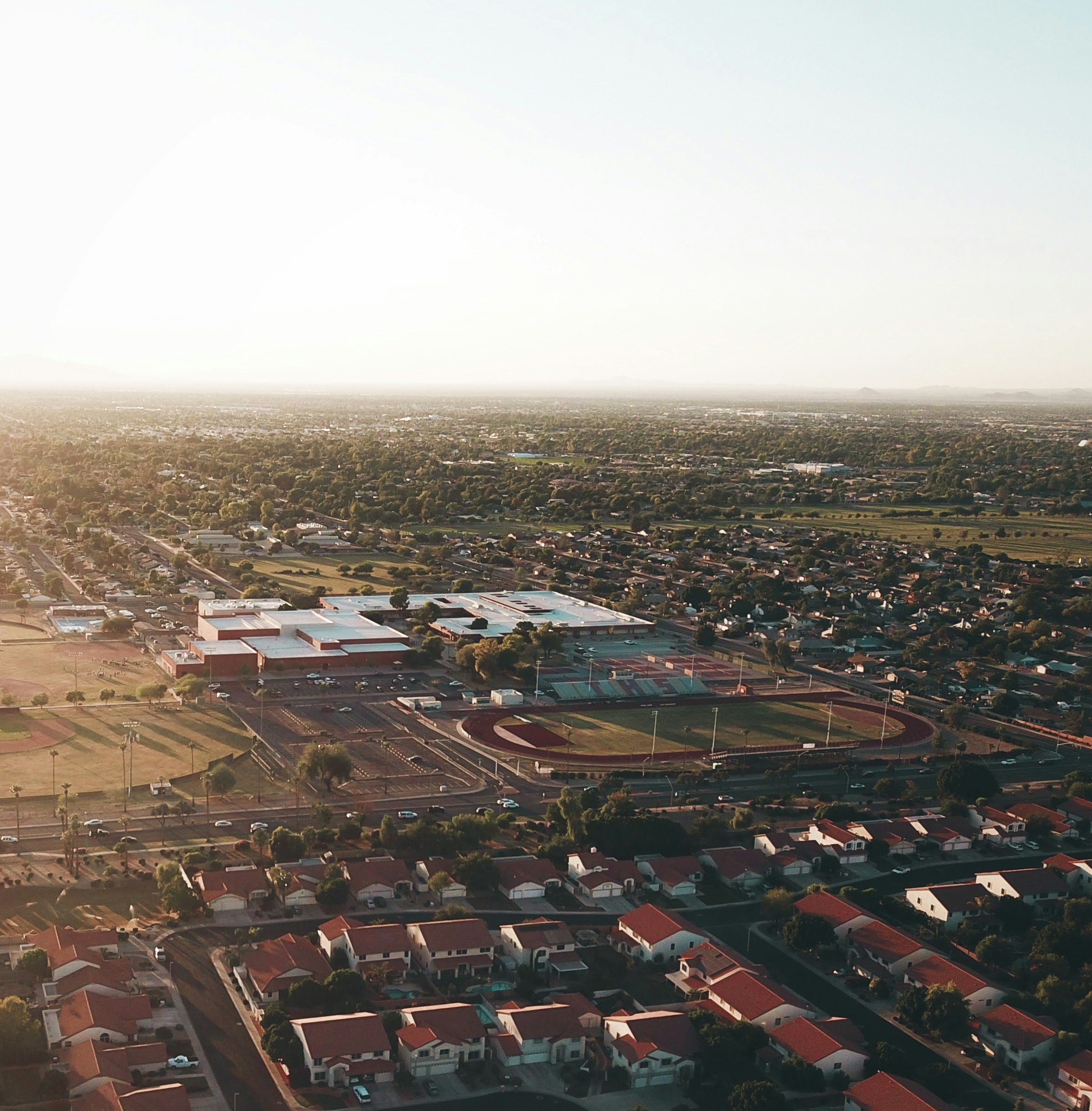
This particular call came from a homeowner in one of Glendale's older historic neighborhoods, a home built in the early 1960s, sitting on a 65-year-old clay sewer system. The house had been dealing with gradually worsening drainage for the better part of a year. Not one drain. Not the main line only. All of it.
Here's what we found, what we did, and why it took six days.
First: Put the Camera In
We don't quote anything before we run a camera. That's not a sales line, it's how we protect the homeowner from paying for a repair that doesn't match the actual problem.
We accessed the main sewer lateral through the cleanout and ran the camera the full length of the line, from the house to the city connection.
The clay pipe was 65 years old. For context: clay pipes have an average expected useful life of between 50 and 60 years. This pipe had exceeded that range. What we saw on screen wasn't what you'd call a clogged line. It was a colonized one. Root masses, dense, mature, fibrous, had taken over nearly every joint along the run. Not infiltration. Occupation. Sections of the pipe had effective flow capacity reduced to a fraction of the original 4-inch diameter. In several places, joint displacement had opened gaps wide enough that the roots had been growing in for years.
Then we ran the branch lines. Kitchen, both bathrooms, laundry. Same story in each one. Roots at the joints, scale on the walls, restricted flow throughout.
The homeowner had been paying for snaking visits that were punching temporary holes through root masses. The roots regrew. The clogs came back. Nobody had shown them what was actually happening inside the pipe.
We showed them. Full camera footage, every section, with an explanation of what each finding meant and what the options were.
The Scope
A partial repair wasn't going to solve this. When roots have entered a clay pipe system at every accessible joint, you don't fix one section and call it done. The entry points are everywhere. You either address the system, or you address the symptoms, and the homeowner had already spent money addressing symptoms.
The full scope:
Main lateral: clear, prepare, and CIPP-line the full run from the house cleanout to the city connection
Kitchen branch drain: clear and pull-in-place line the section with root infiltration
Both bathroom branch drains: same approach
Laundry line: clear and line
Under-slab cast iron drain lines: Dancutter to access and epoxy-coat the corroded interior surfaces without opening the floor
The homeowner understood what they were committing to. They'd seen the footage. They knew the pipe's age. They approved the work.
Six Days
Day 1 was a full hydrojetting pass on the main lateral followed by Dancutter work on the worst sections. Hydrojetting at 4,000 PSI clears root masses and debris, but a 65-year-old clay pipe with this level of infiltration had root material embedded at the wall. We used the Dancutter to mill those sections: cutting roots directly at the pipe wall, removing them more completely than water pressure alone, and creating a clean bonding surface for the liner. The cleaning process is unglamorous. It takes time. We didn't cut it short.
Day 2 was CIPP lining of the main lateral. We used UV-cured lining throughout, the fiberglass liner was positioned, the UV light train was pulled through, and each section cured in roughly 10 to 15 minutes. No waiting hours for ambient cure. We ran the camera after each section before moving to the next. That's how you verify the liner sealed properly, not just how you assume it did.
Days 3 and 4 were the branch lines. Kitchen first, then the bathrooms, then laundry. Each line was cleaned, assessed on camera, lined with pull-in-place where bends required it, cured, and verified. Pull-in-place gives you exact control over liner placement on lines with direction changes, critical in a 1960s house where the drain configuration doesn't run in straight shots. Every section was inspected before and after.
Day 5 was the under-slab cast iron. We accessed through existing cleanouts using the Dancutter, cleared scale and debris from the corroded interior surfaces, and applied epoxy coating. The floor, tile throughout, was never touched.
Day 6 was final verification. Camera through the full system, start to finish, every branch line, every section of main lateral. We handed the homeowner before-and-after footage of every drain in the house.
The Result
Every drain in the house worked. For the first time in at least a year, probably longer.
The liner installed on the main lateral and branch lines is rated for 50+ years per ASTM F1216 testing standards. A 65-year-old clay pipe that had exceeded its service life was rehabilitated with infrastructure that will likely outlast the homeowner's tenure in the house.
The price matched the estimate we gave before work began. Six days, close to 12 hours a day, no corners cut.
What This Job Illustrates
A few things that apply beyond this specific house:
Snaking root infiltration is a temporary fix. Roots grow back. They regrow because the entry point, the joint gap or the crack, is still there. Lining seals those entry points. Snaking doesn't.
System-wide problems need system-wide diagnosis. Treating the main line while leaving the branch drains uninspected often results in another call within months. The camera should cover the full system before any recommendation is made.
Clay pipe at 65 years in a Glendale historic neighborhood is operating past its expected design life. That doesn't mean it's failed, plenty of 65-year-old clay lines still hold. But it means a camera inspection is overdue, and root infiltration at this stage is the rule rather than the exception in these neighborhoods.
The right diagnosis changes everything. This homeowner had spent money on snaking visits that didn't identify the real problem. Once they saw the footage, the decision wasn't difficult. They knew what they were dealing with.
If you're in a similar situation, recurring clogs, multiple slow drains, a house built before 1975, a camera inspection is the right starting point. We offer them free with any trenchless repair service. We show you the footage, explain what we find, and give you an honest recommendation before any work is committed.
Frequently Asked Questions
How common is system-wide root damage in older Phoenix homes?
Very common in homes built before 1975 with clay sewer systems. Clay pipes have an average expected useful life of 50 to 60 years, and the joints, which are sealed with mortar that degrades over time, are the primary entry point for roots. In a 60-plus-year-old clay system in a neighborhood with mature tree canopy, finding root infiltration at multiple joints isn't surprising. Finding it at every joint, like we did in this Glendale home, is a more extreme version of what we see regularly in these neighborhoods.
Can a system this far gone be fully rehabilitated without excavation?
In this case, yes. The clay pipe retained enough structural form for the CIPP liner to bond to. Sections with joint displacement were still viable for lining because the displacement wasn't severe enough to prevent liner placement. The Dancutter handled the under-slab access without floor demolition. The only scenario where excavation becomes necessary is a fully collapsed pipe over a significant run, and the camera inspection tells you if that's the case before any work starts.
Why did snaking keep failing to solve the problem?
Snaking breaks through the root mass in the center of the pipe, opening a channel for flow. It doesn't remove the roots at the pipe wall and it doesn't address the joint gap the roots entered through. The roots regrow, usually within weeks to a few months depending on the species and season. Lining seals the pipe interior, eliminating the joints roots enter through. It's a permanent fix rather than a recurring maintenance visit.
Why does old Glendale housing have this problem so frequently?
Three things compound in these neighborhoods: pipe age (clay at 65 years is past its expected service life), tree maturity (decades of root growth from established landscaping), and Phoenix's hard water (which has been degrading cast iron and clay interiors for decades). Add Glendale's historic neighborhood tree canopy and soil that's been conditioning under irrigation for generations, and you have consistently favorable conditions for aggressive root infiltration.
How long does a CIPP liner actually last?
CIPP liners installed according to manufacturer specifications and tested per ASTM F1216 are rated for 50+ years of service life. The material is jointless, corrosion-resistant, and root-resistant. In this job, we replaced infrastructure with an estimated remaining service life of zero with infrastructure rated for five decades. That's the practical outcome of the repair beyond just "the drains work again."